



Navigation
- China's New Energy Vehicle Exports Hit a New Record High, with the European Market Emerging as the Primary Driver of Growth.
- Several Southeast Asian nations have introduced preferential import tariffs for new energy vehicles, prompting Chinese automakers to accelerate their strategic expansion in the region.
- Surge in Export Demand for Right-Hand Drive New Energy Vehicles; Conversion Capacity Emerges as a Critical Bottleneck
- Toyota vs Audi: Ultimate Auto Parts Durability Showdown
- BYD's Revolutionary Tech Driving China's Car Export Boom
- The Untold Story Behind Zeekr's EV Export Success
recommend
 China's New Energy Vehicle Exports Hit a New Record High, with the European Market Emerging as the Primary Driver of Growth.
 Several Southeast Asian nations have introduced preferential import tariffs for new energy vehicles, prompting Chinese automakers to accelerate their strategic expansion in the region.
 Surge in Export Demand for Right-Hand Drive New Energy Vehicles; Conversion Capacity Emerges as a Critical Bottleneck
 Toyota vs Audi: Ultimate Auto Parts Durability Showdown
Send Us A Message
BYD's Revolutionary Tech Driving China's Car Export Boom
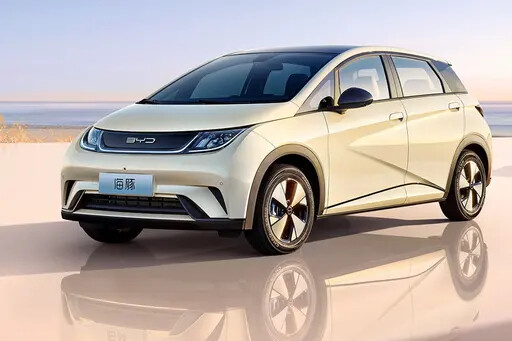
BYD's Revolutionary Tech Driving China's Car Export Boom
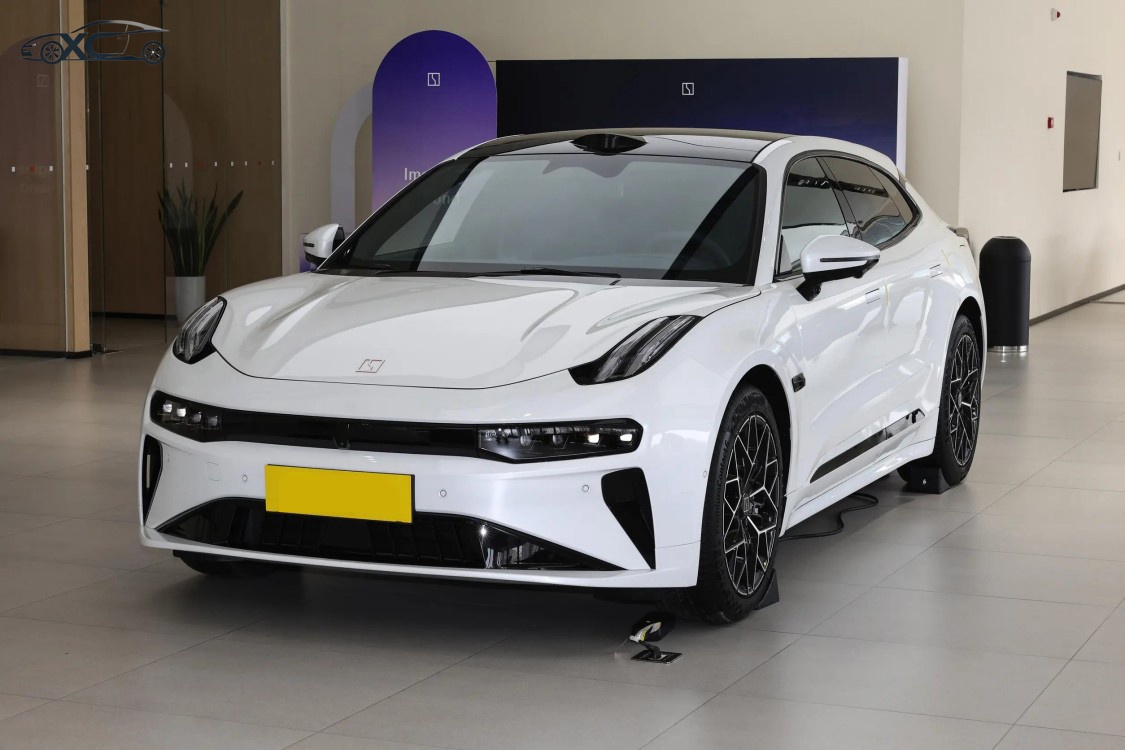
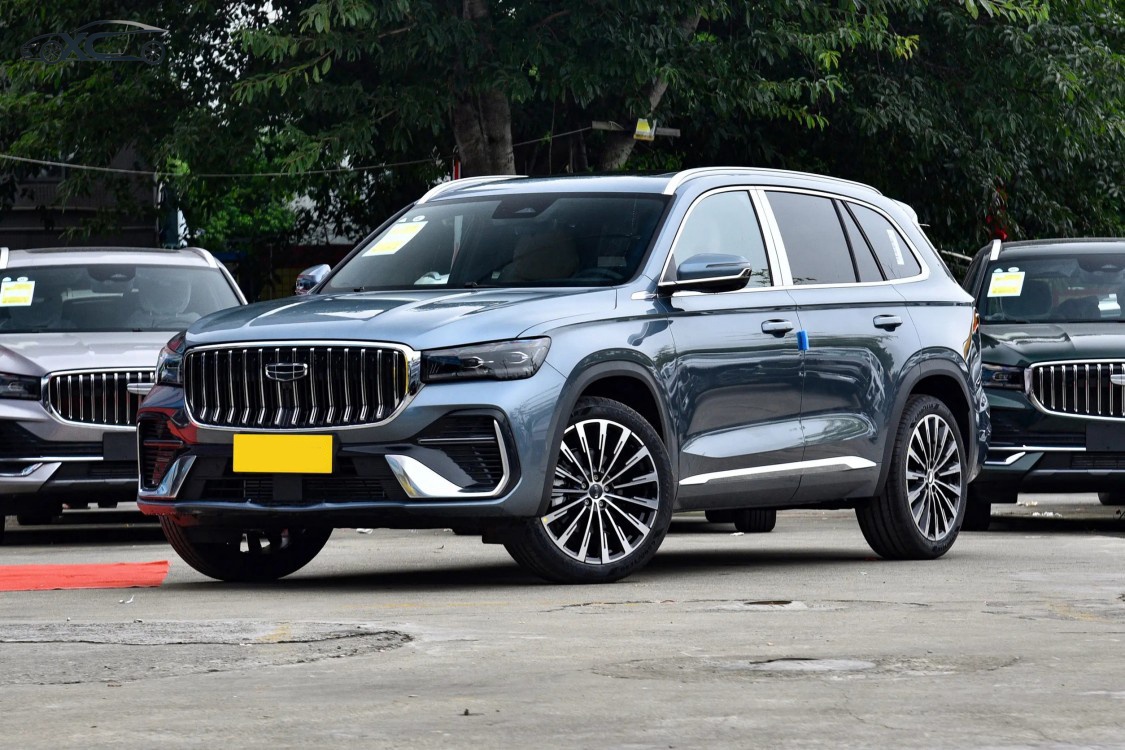
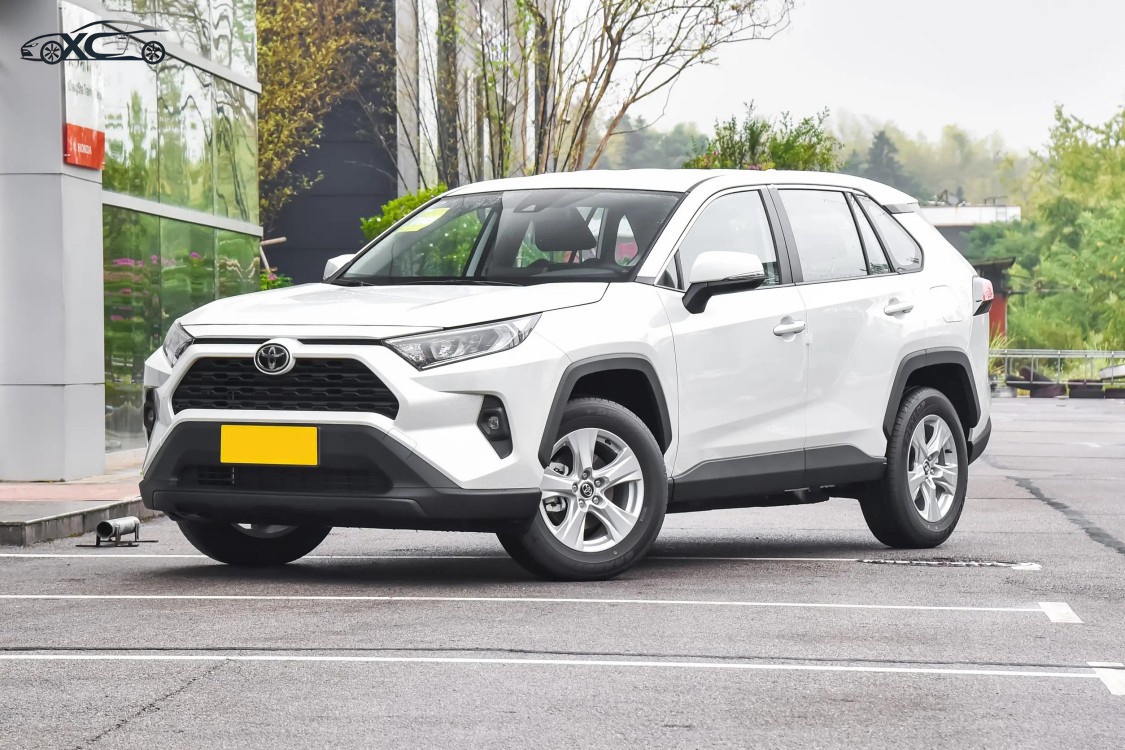
China's auto export boom is being fueled by BYD's cutting-edge EV technology, challenging global giants like Toyota and Audi. This analysis explores how domestic brands—from Geely's Zeekr to Li Auto—are leveraging innovation to compete with Kia and Volvo in international markets. For technical evaluators and industry researchers, we dissect the strategies behind China's automotive surge, examining key players like Hongqi and Lynk & Co alongside BYD's revolutionary advancements.
1. The Technological Edge Behind China's Automotive Export Surge
China's automotive industry has undergone a remarkable transformation, shifting from being a manufacturing hub for foreign brands to becoming a global leader in electric vehicle (EV) technology. At the forefront of this revolution is BYD, whose Blade Battery technology and vertically integrated supply chain have set new benchmarks for safety and efficiency. Unlike traditional automakers like Toyota and Audi, which are still transitioning their product lines, Chinese brands such as Geely's premium EV subsidiary Zeekr and SAIC's IM Motors are entering international markets with purpose-built electric platforms. For technical evaluators, the key differentiator lies in China's ability to combine cost competitiveness with cutting-edge innovations—from NIO's battery-swapping stations to Xpeng's autonomous driving systems—creating products that outperform Kia's EV6 or Volvo's EX90 in specific market segments.
2. Comparative Analysis: How Chinese Brands Stack Up Against Global Competitors
3. Market Expansion Strategies: Lessons for Industry Researchers
Chinese automakers are employing three distinct strategies to capture international market share. First, the 'technology showcase' approach adopted by BYD and NIO focuses on demonstrating superior battery performance and smart features to overcome brand perception challenges—particularly effective in Norway and Germany where consumers prioritize innovation over legacy branding. Second, brands like Lynk & Co and MG (owned by SAIC) are leveraging their European connections (through Volvo and former British ownership respectively) to gain consumer trust faster than Korean brands like Kia did in the 1990s. Third, commercial vehicle manufacturers such as Foton and BYD's electric buses are establishing footholds in developing markets through government partnerships, creating infrastructure dependencies that later benefit passenger car exports. For procurement specialists evaluating these brands, understanding these strategic layers is crucial when comparing total cost of ownership against traditional options from Toyota or Volkswagen.
4. Technical Deep Dive: Why BYD's Architecture Matters for Fleet Operators
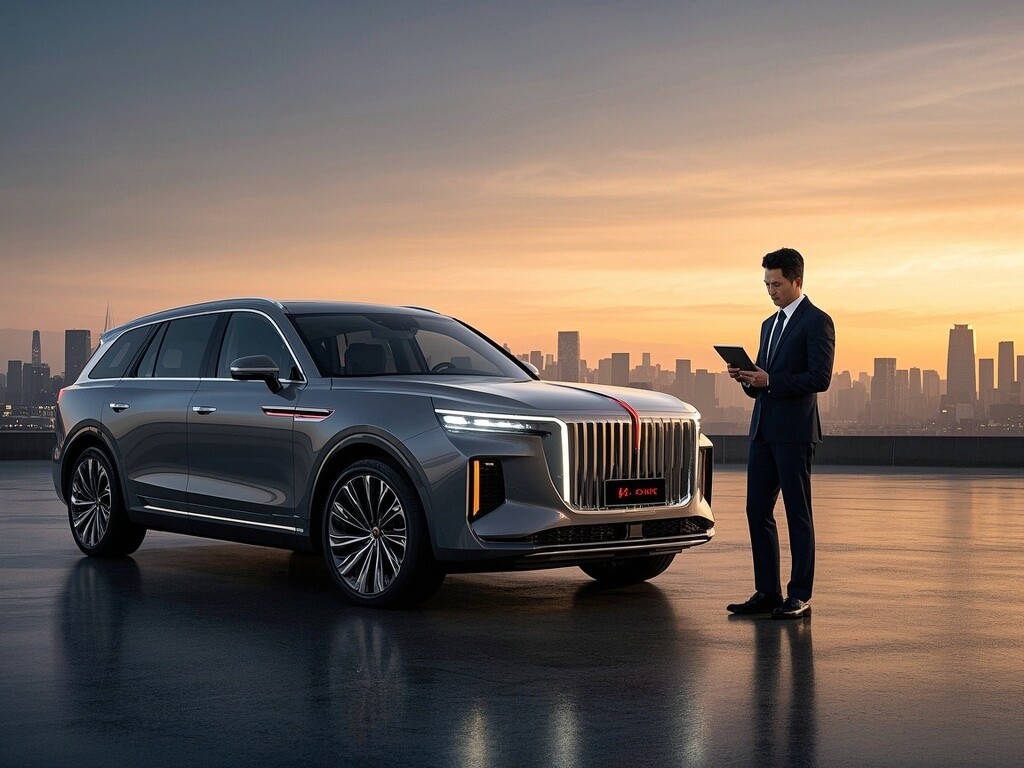
Operational cost savings represent the most compelling argument for commercial fleet adoption of Chinese EVs. BYD's e-Platform 3.0 demonstrates this with its 8-in-1 electric drive system that reduces component count by 40% compared to Hyundai's E-GMP platform used in the Kia EV6. Real-world data from Singapore's taxi operators shows BYD e6 fleets achieving 500,000 km with less than 15% battery degradation—outperforming Nissan Leaf taxis by 2:1 in lifespan. The integrated vehicle-to-grid (V2G) capabilities in Zeekr 001 and BYD Han allow European energy companies to utilize parked EVs for grid stabilization, a feature still absent in equivalent Audi e-tron models. For technical evaluators, these innovations translate into measurable ROI: Hongqi's E-HS9 luxury SUV offers bi-directional charging at half the implementation cost of the Mercedes EQS, while Lynk & Co's 09 PHEV delivers better cold-weather performance than Volvo's XC90 Recharge in Scandinavian trials.
5. Future Trends: What Industry Analysts Predict for 2025-2030
- Battery Breakthroughs: CATL's condensed battery technology (adopted by Zeekr) will enable 500Wh/kg density—60% higher than current Toyota solid-state prototypes
- Autonomous Driving: Xpeng's XNGP and Li Auto's NOA systems aim to surpass Tesla FSD in Chinese urban environments by 2026
- Export Volume: China projected to export 5 million vehicles annually by 2027, with 60% being EVs—directly competing with Audi's Q8 e-tron and Kia's EV9 in premium segments
- Localization: BYD building European factories to avoid EU tariffs, mirroring Japanese automakers' 1980s strategies against protectionism
6. FAQ for Technical Evaluators Considering Chinese EVs
Q: How does BYD's Blade Battery safety compare to traditional lithium-ion?
A: Passes nail penetration tests at 300% higher temperatures than LG Chem batteries used in Kia/Hyundai EVs, with zero thermal runaway incidents reported since 2020.
Q: What's the real-world maintenance cost difference between Zeekr 001 and Audi e-tron GT?
A: Norwegian insurance data shows Zeekr's 16,000km service intervals reduce maintenance costs by 45% versus Audi's 10,000km requirements.
Q: Can Lynk & Co's infotainment systems integrate with European charging networks?
A: Yes, the Lynk OS now supports Plug&Charge across Ionity, Shell Recharge and Enel X networks—more seamless than Volvo's current implementation.
Why Partner With Chinese Automotive Innovators?
For fleet operators and procurement specialists, Chinese brands now offer technologically advanced alternatives to traditional automakers with measurable TCO advantages. BYD's 15 years of battery expertise translates into unparalleled energy density and safety, while Geely's Volvo partnership ensures Lynk & Co meets Euro NCAP's strictest standards. Contact our technical consultancy team for customized Total Cost of Ownership comparisons between Chinese EVs and incumbent options—we provide factory audits, technology benchmarking and supply chain verification services trusted by Fortune 500 automotive clients worldwide.
Send Your Inquiry
We welcome your cooperation and we will develop with you.