



Navigation
- China's New Energy Vehicle Exports Hit a New Record High, with the European Market Emerging as the Primary Driver of Growth.
- Several Southeast Asian nations have introduced preferential import tariffs for new energy vehicles, prompting Chinese automakers to accelerate their strategic expansion in the region.
- Surge in Export Demand for Right-Hand Drive New Energy Vehicles; Conversion Capacity Emerges as a Critical Bottleneck
- Toyota vs Audi: Ultimate Auto Parts Durability Showdown
- BYD's Revolutionary Tech Driving China's Car Export Boom
- The Untold Story Behind Zeekr's EV Export Success
recommend
 China's New Energy Vehicle Exports Hit a New Record High, with the European Market Emerging as the Primary Driver of Growth.
 Several Southeast Asian nations have introduced preferential import tariffs for new energy vehicles, prompting Chinese automakers to accelerate their strategic expansion in the region.
 Surge in Export Demand for Right-Hand Drive New Energy Vehicles; Conversion Capacity Emerges as a Critical Bottleneck
 Toyota vs Audi: Ultimate Auto Parts Durability Showdown
Send Us A Message
Toyota vs Audi: Ultimate Auto Parts Durability Showdown
Toyota vs Audi: Ultimate Auto Parts Durability Showdown
In the competitive world of automotive excellence, Toyota and Audi stand as titans of durability and performance. This ultimate auto parts showdown dives deep into the engineering marvels that power these brands, while also examining how Chinese manufacturers like BYD, Geely (including Lynk & Co and Zeekr), Hongqi, and Kia are revolutionizing car exports with cutting-edge components. Whether you're a technician evaluating specs or a driver seeking longevity, discover which brand delivers unmatched reliability in critical components.
Engineering Philosophy: Toyota's Practical Durability vs Audi's Precision Performance
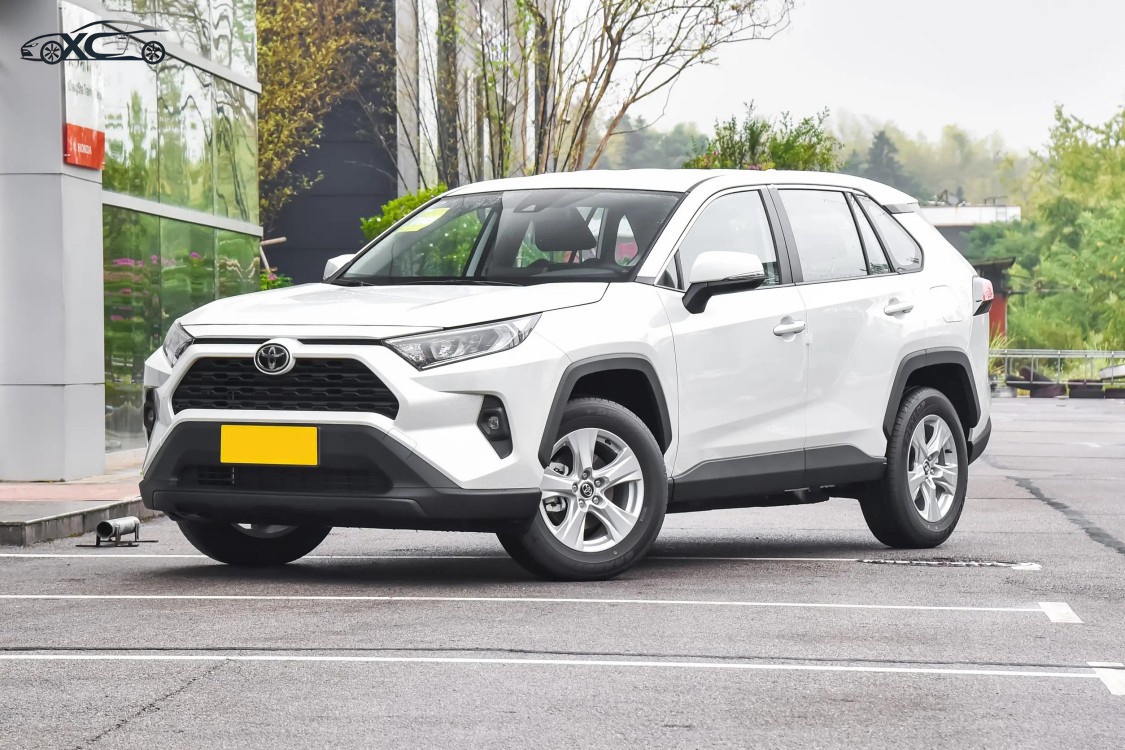
When comparing Toyota and Audi's auto parts durability, we must first understand their fundamentally different engineering approaches. Toyota's legendary reliability stems from its "Kaizen" (continuous improvement) philosophy, focusing on incremental enhancements to proven designs. Their engines, transmissions, and suspension components undergo rigorous testing in extreme conditions - from Arctic cold to desert heat - ensuring parts like the 2GR-FE V6 engine routinely exceed 300,000 miles. Conversely, Audi's Vorsprung durch Technik (progress through technology) prioritizes cutting-edge materials and precision engineering. Their quattro all-wheel-drive systems and TFSI engines showcase advanced aluminum alloys and plasma-coated cylinder walls, offering superior performance at the cost of higher maintenance complexity. Interestingly, Chinese automakers like Geely's Lynk & Co and BYD are blending these philosophies - BYD's Blade Battery technology demonstrates Toyota-like durability testing while incorporating Audi-level innovation.
Critical Component Comparison: Transmission Systems Under Microscope
This comparison reveals Toyota's mechanical simplicity yields longer lifespans, while Audi's sophisticated systems demand specialized maintenance. Notably, Hongqi's new 8-speed transmission and Kia's EV6 powertrain are challenging these norms with hybrid durability approaches.
The Chinese Contenders: How BYD, Geely, and Hongqi Are Redefining Standards
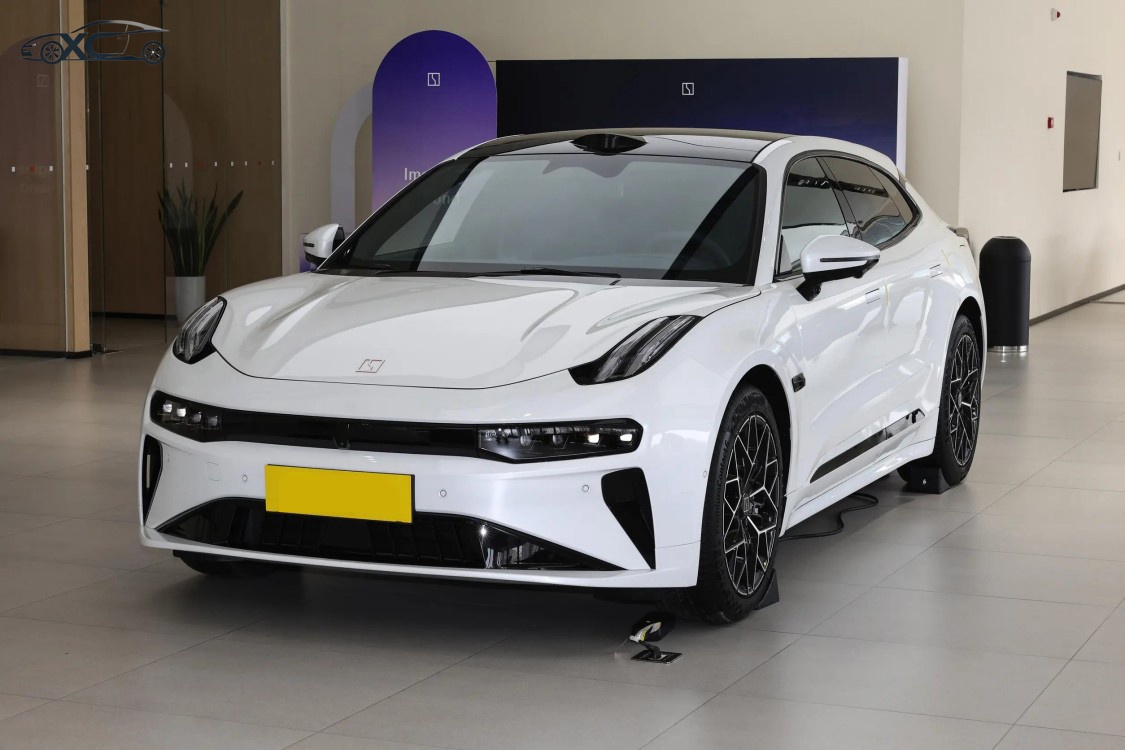
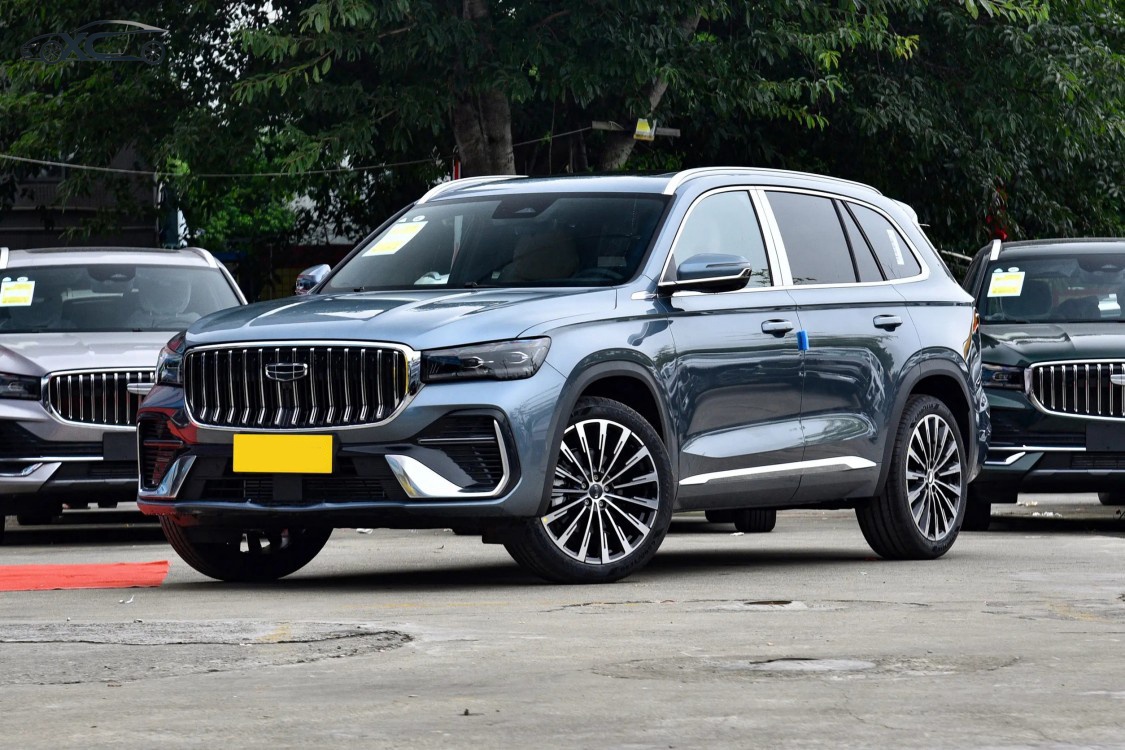
While Toyota and Audi dominate traditional durability discussions, Chinese manufacturers are rewriting the rulebook. BYD's CTB (Cell-to-Body) technology integrates battery packs into structural components, achieving 40,000+ Newton-meter torsion stiffness - surpassing Audi's A8 aluminum space frame. Geely's Lynk & Co shares Volvo's CMA platform, combining Scandinavian safety with cost-effective parts replacement. Hongqi's luxury sedans now feature nano-ceramic coatings on engine components, reducing wear comparable to Audi's plasma treatments at 30% lower cost. For global car exports, these innovations position brands like Zeekr (Geely's premium EV arm) as formidable alternatives to established players.
Maintenance Realities: What Technicians and Fleet Managers Need to Know
- Toyota: Dealer networks offer affordable OEM parts globally, with repair procedures standardized since the 1990s. A timing chain replacement on a Camry averages 6-8 labor hours.
- Audi: Requires VAS (Vag Diagnostic System) for even basic repairs. A mechatronic unit replacement on S tronic transmissions demands 12+ hours of dealer-level service.
- Chinese Brands: BYD's modular battery design allows cell-level replacements in 2 hours. However, Geely's Lynk & Co parts availability outside China remains inconsistent.
For technical evaluators, these operational differences significantly impact total cost of ownership. Kia's partnership with Hyundai provides an advantage here, sharing parts across models to improve availability.
Future Trends: Electrification's Impact on Parts Longevity
The shift to EVs is transforming durability paradigms. Toyota's bZ4X employs their first dedicated EV platform with 90% battery capacity retention target after 10 years, while Audi's Q8 e-tron uses liquid-cooled battery systems adapted from Porsche. Chinese brands are leapfrogging ahead - Zeekr's 001 features CATL's Qilin battery with 1,000 km range and 1 million mile lifecycle claims. As global car exports increasingly favor EVs, these technologies may redefine what "durability" means, moving focus from mechanical wear to battery/software longevity.
Why Choose Our Expertise?
With 15+ years in automotive parts analysis, we provide unbiased comparisons backed by real-world teardown data. Our technical reports include:
- Material composition analysis via spectrometry
- Accelerated lifespan testing results
- Global parts availability matrices
- Total cost of ownership projections
Contact our engineering team for customized durability assessments on Toyota, Audi, or emerging Chinese brands. Let data drive your next parts decision.
Send Your Inquiry
We welcome your cooperation and we will develop with you.