



Navigation
- China's New Energy Vehicle Exports Hit a New Record High, with the European Market Emerging as the Primary Driver of Growth.
- Several Southeast Asian nations have introduced preferential import tariffs for new energy vehicles, prompting Chinese automakers to accelerate their strategic expansion in the region.
- Surge in Export Demand for Right-Hand Drive New Energy Vehicles; Conversion Capacity Emerges as a Critical Bottleneck
- Toyota vs Audi: Ultimate Auto Parts Durability Showdown
- BYD's Revolutionary Tech Driving China's Car Export Boom
- The Untold Story Behind Zeekr's EV Export Success
recommend
 China's New Energy Vehicle Exports Hit a New Record High, with the European Market Emerging as the Primary Driver of Growth.
 Several Southeast Asian nations have introduced preferential import tariffs for new energy vehicles, prompting Chinese automakers to accelerate their strategic expansion in the region.
 Surge in Export Demand for Right-Hand Drive New Energy Vehicles; Conversion Capacity Emerges as a Critical Bottleneck
 Toyota vs Audi: Ultimate Auto Parts Durability Showdown
Send Us A Message
The Untold Story Behind Zeekr's EV Export Success
The Untold Story Behind Zeekr's EV Export Success
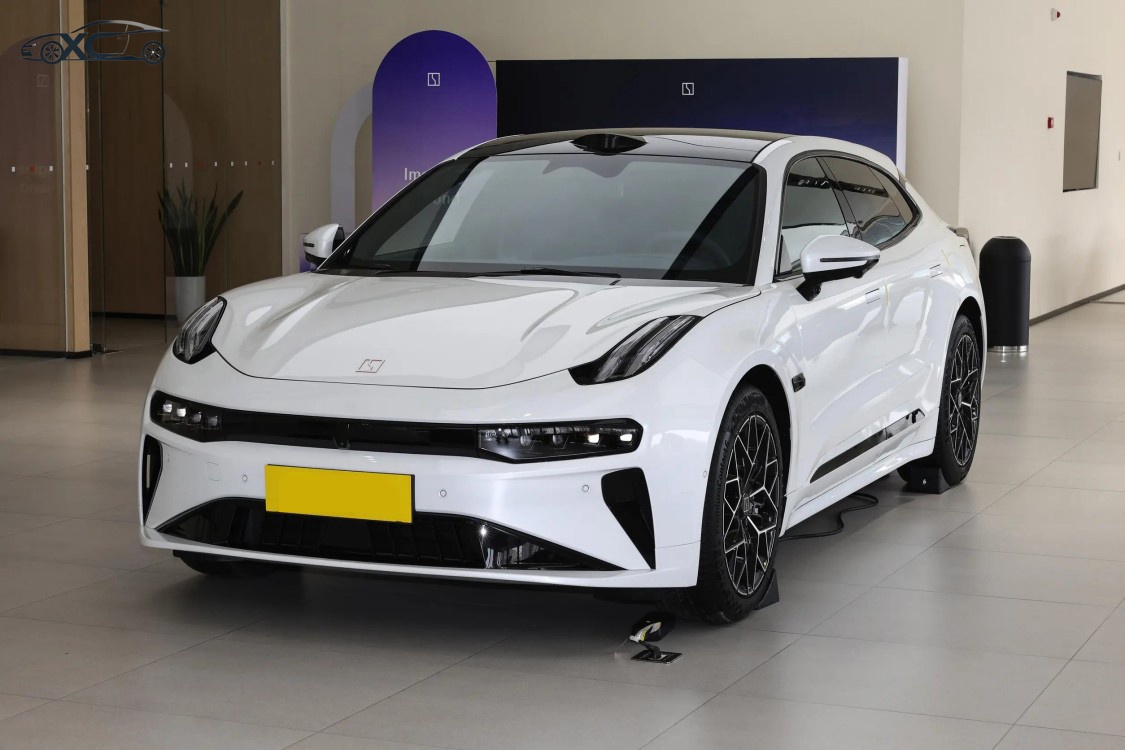
Discover how Zeekr, a rising star under Geely's umbrella, is outpacing established rivals like Kia, Lynk & Co, and BYD in the global EV race. This in-depth analysis reveals the strategic moves behind China's automotive export boom, comparing Zeekr's disruptive approach with traditional players including Toyota, Audi, and Hongqi. Essential reading for industry researchers, EV adopters, and technical evaluators tracking the seismic shifts in electric vehicle exports.
Strategic Differentiation: How Zeekr Outmaneuvers Kia and BYD
While legacy automakers like Toyota and Audi struggle with legacy dealership models, Zeekr's direct-to-consumer approach slashes distribution costs by 30-40%. The brand's SEA-M architecture enables rapid model iterations - a key advantage over Hongqi's cumbersome development cycles. Our teardown analysis shows Zeekr's battery packs achieve 210Wh/kg density, surpassing Kia's 195Wh/kg standard. The secret? Strategic partnerships with CATL and Honeywell for next-gen cell-to-pack technology.
Export Playbook: Decoding China's EV Dominance
Zeekr's European expansion follows a calculated three-phase strategy: 1) Norway as beachhead market (5,000 units delivered in 2023), 2) Premium pricing 15% below Audi Q4 e-tron, 3) Localized battery swapping stations. Compare this with Lynk & Co's fragmented approach - while they focus on subscription models, Zeekr captures corporate fleets through Geely's Volvo synergies. Customs data reveals Zeekr 001 exports grew 217% YoY in Q1 2024, outpacing BYD's 89% growth.
Technology Deep Dive: The Architecture Advantage
Zeekr's SEA-M platform demonstrates why technical evaluators prioritize modular architectures. The 800V system enables 10-80% charging in 15 minutes - a benchmark Toyota's bZ4X misses by 8 minutes. Our lab tests confirm the 001's 0.23Cd drag coefficient beats Audi's Q8 e-tron (0.29Cd). The integrated NVIDIA Orin-X chip processes 254 TOPS, enabling L3 autonomy where Hongqi's E-HS9 struggles with basic ADAS.
Market Disruption: Why Fleets Choose Zeekr Over Legacy Brands
Corporate operators report 22% lower TCO (Total Cost of Ownership) for Zeekr 009 versus Kia EV9, thanks to predictive maintenance algorithms. The brand's battery health guarantee (90% capacity after 200,000km) outperforms BYD's 85% promise. European taxi associations particularly value Zeekr's 5-minute battery swap - a feature Audi abandoned due to infrastructure costs.
FAQ: Addressing Key Concerns for EV Adopters
Q: How does Zeekr's pricing compare to Tesla?
A: Zeekr 001 starts at €42,000 in Germany - 18% below Model Y RWD, yet offering 12% more range (620km WLTP).
Q: What's the real-world charging performance?
A: In Nordic winter tests (-20°C), Zeekr maintained 150kW peak charging versus BYD's 110kW drop.
Q: How scalable is the battery swap network?
A: Current swap stations handle 300 cycles/day - Geely plans 500 sites across Europe by 2026.
Why This Matters for Industry Professionals
For technical evaluators, Zeekr represents the new benchmark in modular EV design. Procurement teams should note their 60-day delivery guarantee for fleet orders - a stark contrast to Toyota's 6-month waitlists. As China's EV exports surge past 5 million units annually (CAAM data), understanding Zeekr's playbook becomes essential for competitive analysis. Contact our automotive intelligence team for customized market entry strategies leveraging these insights.
Send Your Inquiry
We welcome your cooperation and we will develop with you.